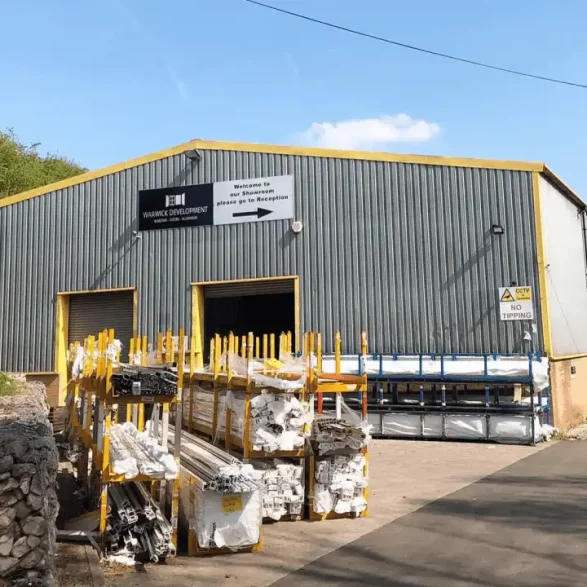
Improve Home Energy Efficiency: Tips Using uPVC & Aluminium
- 17 September, 2025|
- News
Improve Home Energy Efficiency: Tips Using uPVC & Aluminium
Key findings
- Modern uPVC and aluminium windows can achieve A-rated energy efficiency, dramatically reducing heat loss and cutting energy bills by up to 25%, while also minimizing the infiltration of cold air.
- Advanced features like thermal breaks, multi-chambered profiles and double or triple glazing create superior insulation compared to traditional single-glazed windows
- uPVC windows typically offer slightly better thermal performance with U-values as low as 0.7 W/m²K, whilst aluminium windows achieve excellent thermal efficiency with A-ratings. Aluminium frames last longer (25+ years) with minimal maintenance, whilst uPVC windows offer outstanding value with lifespans of 15-20 years. To help make your home more energy efficient, various government grants are available, such as those offered through the Weatherization Assistance Program (WAP) and federal tax credits for energy-efficient windows. Many states also provide local incentives to assist homeowners with upgrading to high-performance window systems, including uPVC and aluminium options.
- Aluminium frames last longer (25+ years) with minimal maintenance, whilst uPVC windows offer outstanding value with lifespans of 15-20 years
- Both materials provide significant energy savings in the long run, with aluminium being the stronger choice for extreme weather conditions and colder months, coastal areas. While these solutions are often chosen by homeowners, renters can also achieve energy savings through affordable measures such as using insulated curtains, sealing drafts with weatherstripping, and switching to LED bulbs. These small changes help reduce energy costs without requiring major renovations, making them ideal for renters. Rising energy costs are pushing homeowners to seek smarter solutions for reducing their bills.
Rising energy costs are pushing homeowners to seek smarter solutions for reducing their most energy bills.
If you’re tired of watching warm air escape through outdated windows whilst your heating works overtime, upgrading to modern energy efficient windows could be your answer.
Today’s uPVC and aluminium windows incorporate cutting-edge thermal break technology and superior insulation properties that can transform your home’s energy performance. Let’s explore how these materials can help you achieve better energy efficiency and long-term savings.
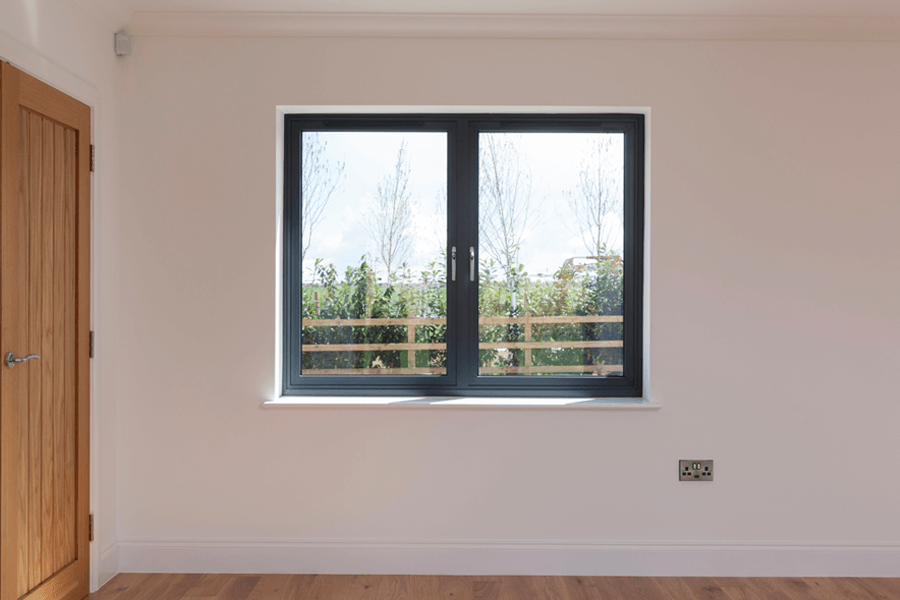
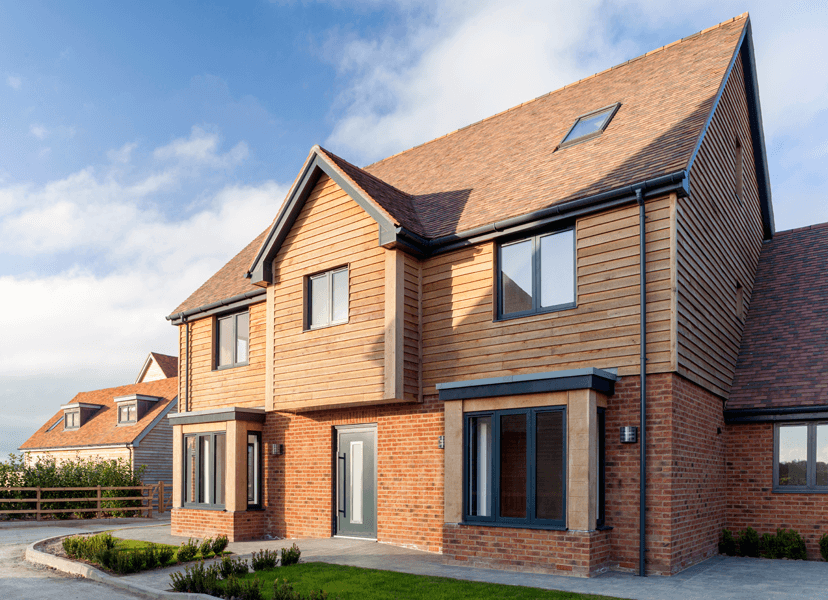
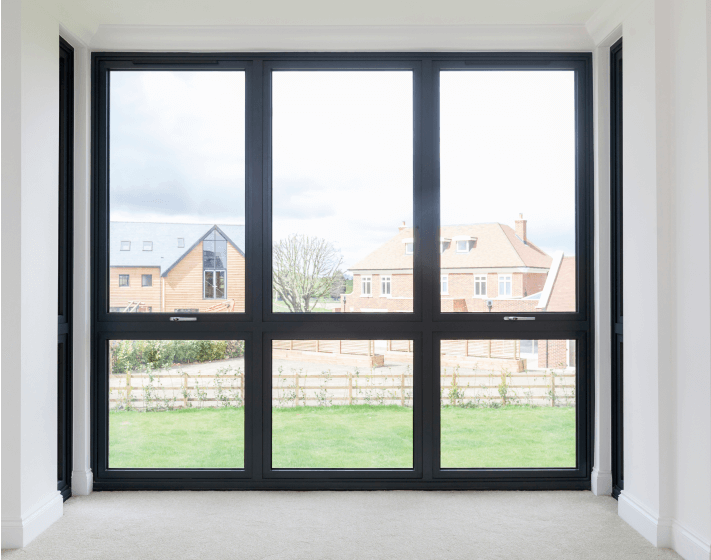
Aluminium windows are an excellent choice for a modern aesthetic
Why energy efficiency matters for modern homes
Energy efficiency isn’t just about reducing bills – though that’s certainly a compelling reason. Improving your home’s overall energy efficiency with insulated glass units and thermal performance creates indoor comfort year-round, reduces your carbon footprint, and adds value to your property.
Traditional single glazing and outdated window frames are major culprits for energy loss, contributing to climate change. Heat transfer occurs when warm air escapes through gaps, poor seals and inadequately insulated frames, highlighting the need for replacement windows. This forces your heating system to work harder, consuming more energy and increasing costs.
Modern energy efficient sash windows address these issues, especially when compared to old, drafty windows, through advanced design and materials. They create a thermal barrier that prevents heat loss in winter and heat gain in summer, maintaining comfortable temperatures with minimal energy consumption.
How uPVC windows deliver exceptional energy efficiency
UPVC (unplasticized polyvinyl chloride) frames are designed specifically for superior thermal performance. Their multi-chambered construction creates pockets of trapped air that act as natural insulators, significantly reducing heat transfer.
Multi-chambered profiles for better insulation
The secret to uPVC’s excellent thermal performance lies in its internal structure. Multi-chambered profiles contain several air-filled cavities that create barriers against heat loss, ultimately leading to lower energy bills and minimize energy waste. This design prevents cold spots and draughts, maintaining consistent indoor temperatures. Initiatives like the Green Deal can help homeowners make these energy-efficient upgrades. The Green Deal is a government-backed scheme designed to help individuals improve home energy efficiency, and it can offer support for installing features like multi-chambered uPVC windows that reduce energy consumption.
Advanced glazing options
Modern uPVC windows support various glazing configurations. Double glazing provides substantial improvement over single panes, whilst triple glazing offers maximum thermal efficiency. The air or inert gas-filled space between glass panes creates additional insulation layers.
Minimal maintenance, maximum performance
uPVC frames require virtually no maintenance whilst delivering consistent energy savings. Their weather-resistant properties ensure long-term thermal efficiency without degradation from extreme weather conditions.
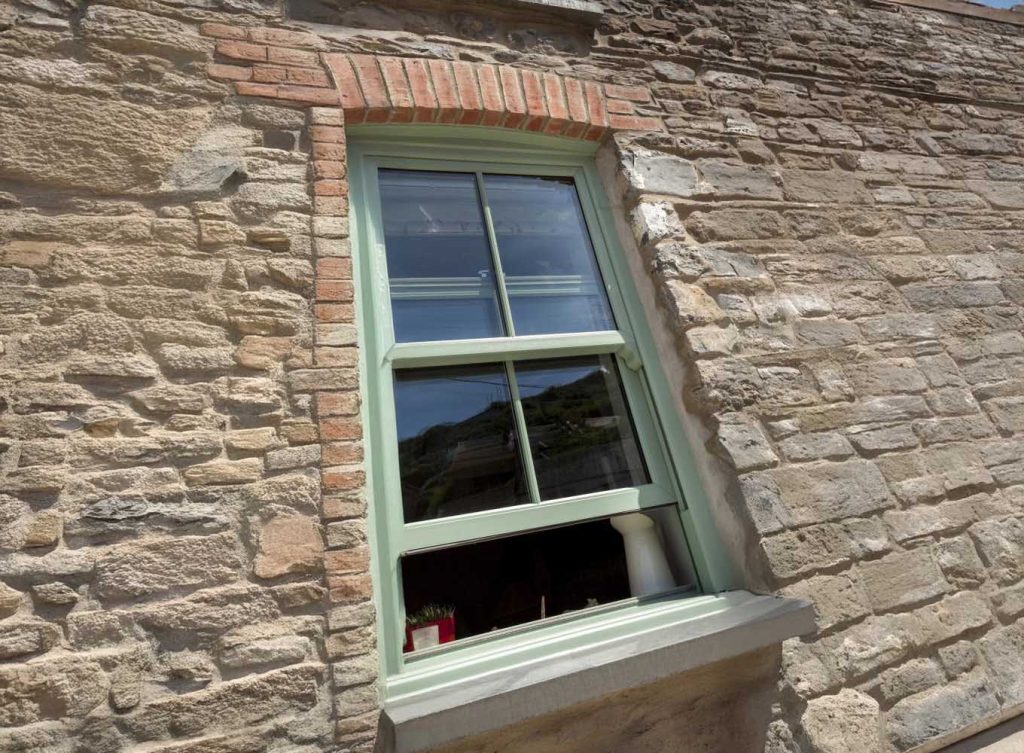
Sliding windows are brilliant for increasing ventilation
Aluminium windows: strength meets thermal excellence
Modern aluminium windows have overcome historical thermal limitations through innovative thermal break technology. Today’s aluminium frames deliver impressive energy efficiency alongside unmatched durability and aesthetic appeal.
Thermal break technology transforms performance
Polyamide thermal breaks create a barrier between the internal and external aluminium sections. This prevents heat transfer through the frame, helping to seal air leaks and allowing aluminium windows to achieve A-rated energy efficiency. The thermal break acts like insulation within the frame structure, ensuring optimal performance regardless of external weather conditions. For residential properties seeking clean energy options, high-performance aluminium windows with thermal break technology pair well with solar panels, heat pumps, and energy-efficient insulation to help reduce energy consumption and support sustainable living.
Superior glazing capacity
Aluminium’s structural strength supports larger panes of glass and various glazing options. Double and triple glazing configurations maximise thermal performance whilst flooding interiors with natural light. Thicker glazing units (up to 44mm) provide excellent insulation and external noise reduction, making them ideal for homes in colder climates. To quickly lower your home’s energy use and make efficient home improvements, consider installing double or triple glazing, or sealing any gaps around your existing windows to improve insulation. These changes can help keep indoor temperatures stable and reduce the need for heating or cooling.
Contemporary designs for modern homes
Aluminium frames offer slim profiles and clean lines that suit contemporary architectural styles. Despite their sleek appearance, they deliver excellent thermal performance comparable to bulkier alternatives.
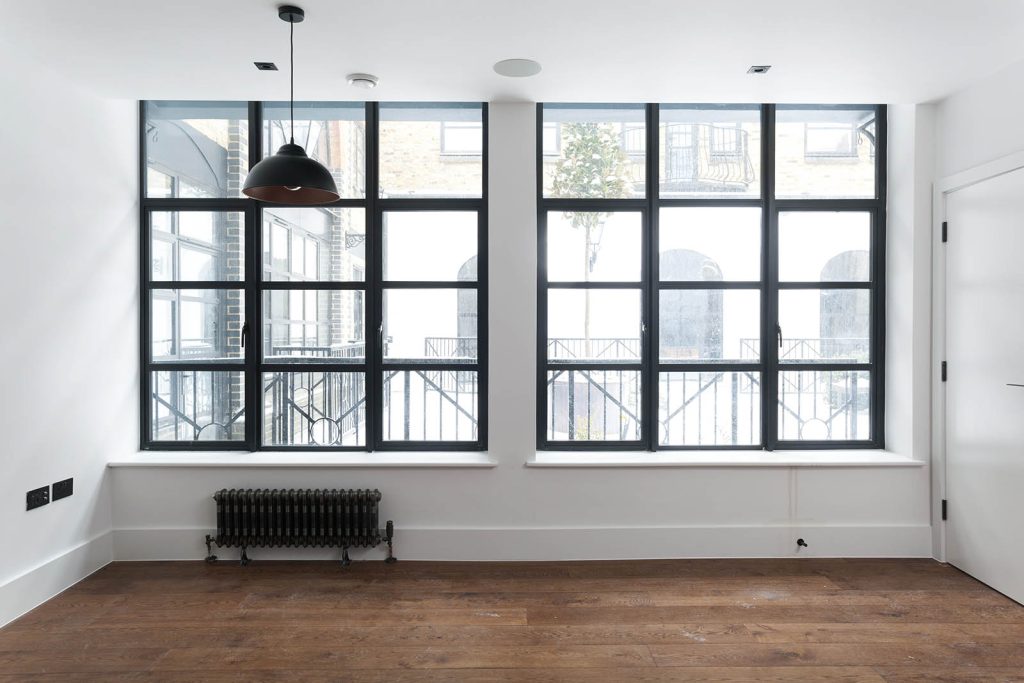
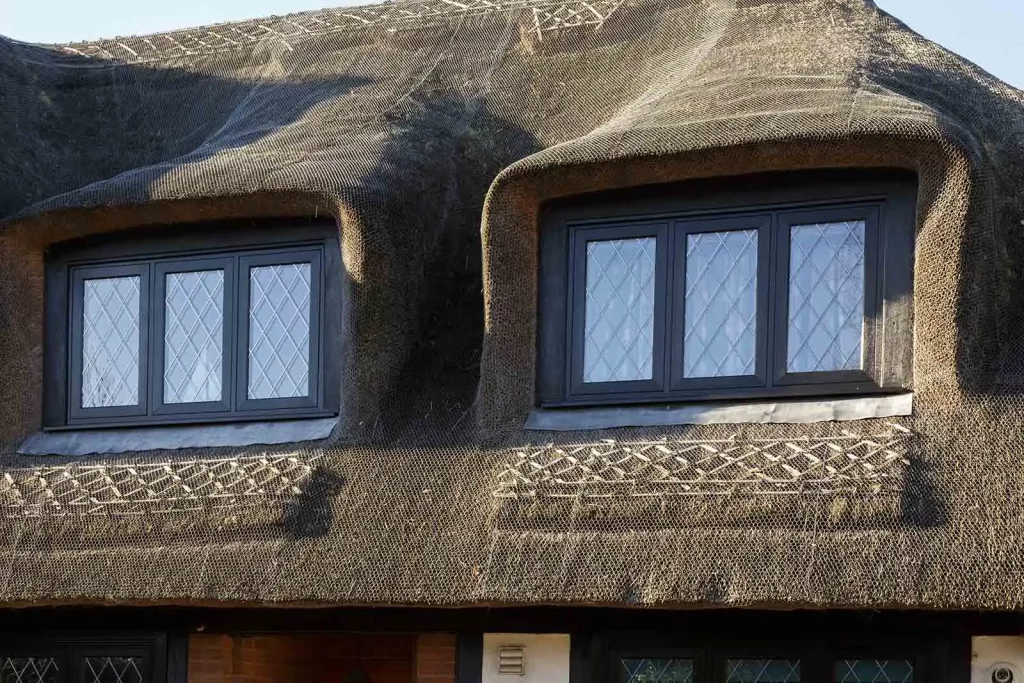
Black heritage windows
Which window material should I choose?
The right choice depends on your priorities, budget and design preferences. Both materials offer excellent energy efficiency, but each has distinct advantages.
Understanding U-Values and their impact
U-Values are crucial in determining the energy efficiency of windows, measuring the rate of heat transfer. The lower the U-Value, the better the insulation, making it a critical factor for homeowners looking to enhance their energy performance. For instance, the type of glass used in modern uPVC windows can achieve U-Values as low as 0.8 W/m²K, significantly reducing heat loss and contributing to lower energy bills. Understanding these values helps homeowners compare options effectively and select windows that not only meet but exceed current energy regulations, ultimately leading to improved thermal comfort and long-term energy savings.
By prioritizing windows with lower U-Values, homeowners can better assess their potential energy savings. A reduction in heat loss and air leakage means that your heating system won’t have to work as hard, leading to decreased energy consumption. This translates into cost savings on energy bills while also minimizing your carbon footprint. As we strive for more sustainable living solutions, understanding U-Values becomes essential for making informed decisions about home improvements.
Benefits of uPVC windows
Outstanding thermal performance
UPVC windows achieve the lowest U-values, with some systems reaching 0.7 W/m²K. This superior thermal efficiency translates to maximum energy savings and reduced heating costs.
Excellent value for money
UPVC is usually cheaper upfront whilst delivering impressive energy efficiency. The material’s inherent insulating properties don’t require additional thermal breaks, keeping costs manageable.
Low maintenance requirements
UPVC frames never need painting or sealing. They resist weathering, won’t warp or rot, and maintain their appearance with occasional cleaning.
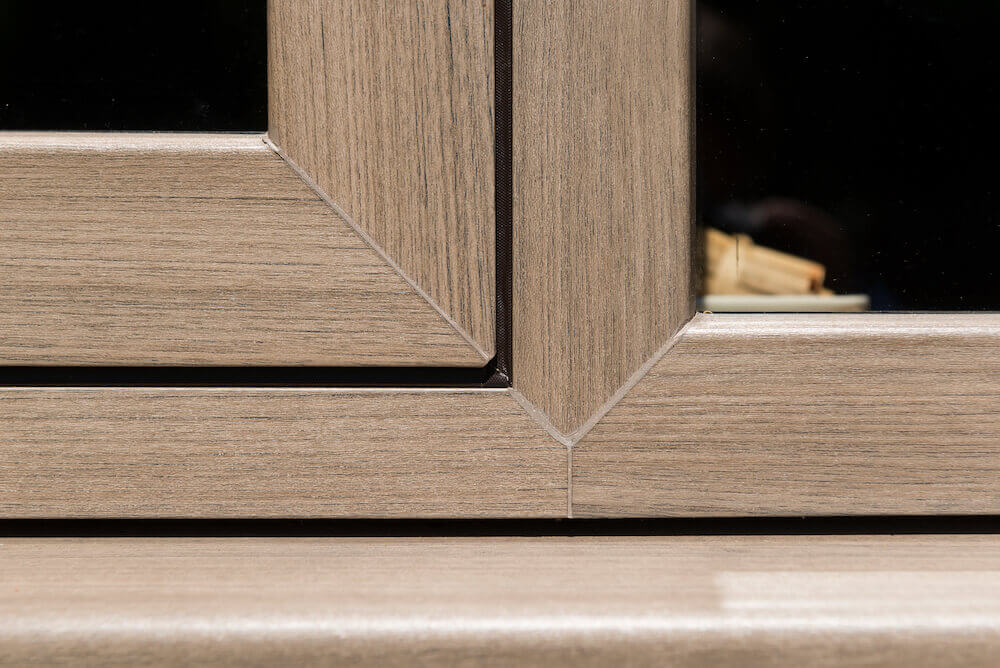
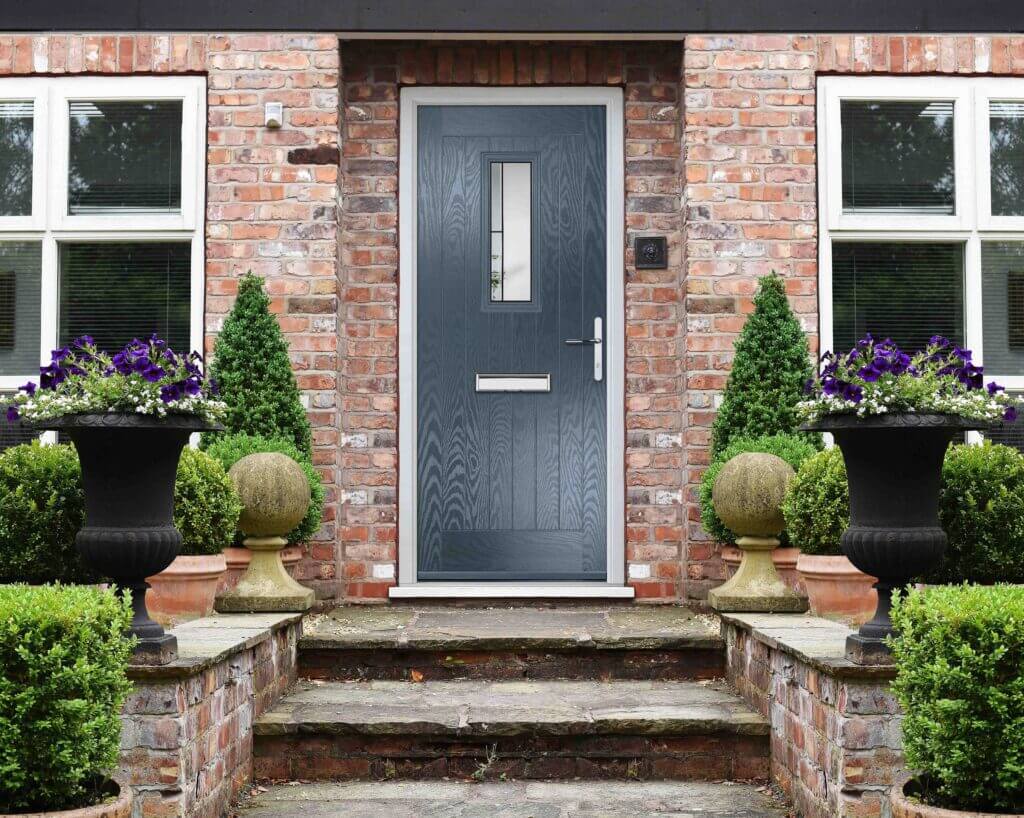
uPVC can be finished to replicate the appearance of timber.
Benefits of aluminium windows
Exceptional durability and longevity
Aluminium windows last 25+ years with minimal maintenance, making them excellent long-term investments, especially when paired with solar power and unplasticised polyvinyl chloride materials. They resist extreme weather conditions and maintain structural integrity in coastal areas where salt air affects other materials.
Superior strength and design flexibility
The strength of aluminium supports larger window openings and slimmer frames. This creates more natural light whilst maintaining structural integrity and thermal performance.
Aesthetic appeal and customisation
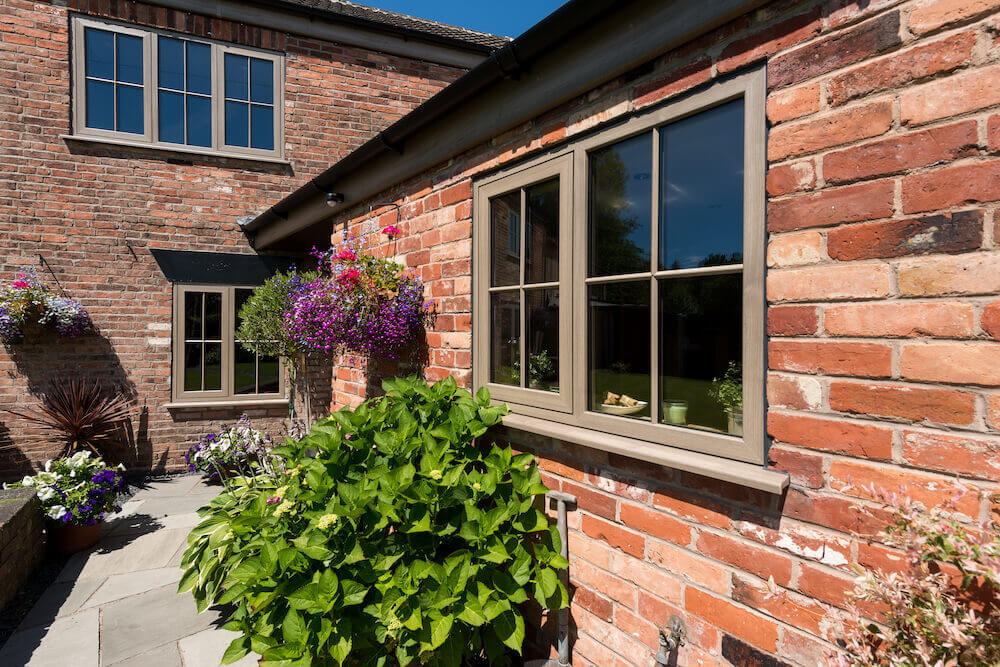
Over 200 RAL colour options, including metallic and wood grain effects, provide unlimited design possibilities. Dual colour frames allow different internal and external finishes.
Whilst uPVC typically offers slightly better thermal efficiency, aluminium remains a strong contender with A-rated performance. Aluminium’s longer lifespan (25+ years vs 15-20 years for uPVC) and superior strength make it popular for homeowners prioritising durability and a modern look.
How do energy ratings help you choose efficient windows?
Energy ratings and energy ratings are an invaluable tool for homeowners seeking to improve their window efficiency. The British Fenestration Rating Council (BFRC) provides an accessible rating system, ranging from A++ (most efficient) to E (least efficient). By focusing on these energy ratings, consumers can easily identify products that align with their energy-saving goals, facilitating informed decisions that optimize performance and comfort.
Choosing windows with higher energy ratings plays a critical role in not only enhancing thermal performance but can also lead to significant energy savings over time. For example, A-rated windows can reduce heating costs by up to 25% compared to less efficient alternatives. This means that investing in energy-rated windows not only contributes to a more sustainable environment but also positively impacts your wallet by lowering monthly energy expenses, making the choice of energy-efficient windows a financially sound decision for homeowners.
uPVC windows from Warwick Development
Our comprehensive uPVC range delivers outstanding energy efficiency across various styles and configurations, all BBA accredited as standard.
Eurocell casement windows
These A-rated windows achieve U-values as low as 0.8 W/m²K using multi-chambered profiles, which play a crucial role in enhancing energy efficiency. Available in 30 colours, including realistic woodgrain effects, they suit all property types and can be found on a gov website for additional information. High security multi-point locking systems provide peace of mind alongside energy efficiency.
Logik flush windows
Combining traditional aesthetics with modern performance, these windows achieve A-rating with U-values from 0.9 W/m²K, ensuring less heat loss. The flush design suits period properties whilst delivering contemporary thermal performance and can be further enhanced with spray foam insulation. Available in 19 standard colours plus 32 additional options.
Modus windows
Our most thermally efficient option achieves U-values as low as 0.7 W/m²K, helping to reduce utility bills. The comprehensive range of uPVC systems includes slim rebate, flush sash, reversible and tilt & turn configurations. Made from 50% post-consumer recycled materials, they’re an environmentally conscious choice.
Aluminium windows from Warwick Development
Our aluminium window collection combines thermal break technology with exceptional durability and design flexibility, manufactured in-house using high-tech machinery.
Alitherm window systems
Five distinct systems cater to different requirements, including the use of ceiling fans. The Alitherm 800 high-performance system achieves A-ratings through advanced thermal breaks that trap air. Heritage options replicate traditional steel windows whilst meeting modern energy standards. All systems feature polyamide thermal break technology for excellent thermal performance.
Heritage windows
Specially designed for period properties and listed buildings, these windows achieve B-ratings whilst maintaining authentic steel-look aesthetics. By accommodating various glazing configurations up to triple glazing, they contribute to reduced energy usage and enhanced efficiency, thus minimizing your home’s environmental impact.
Flush windows
The Alitherm 400 system delivers natural U-values as low as 1.4 W/m²K with flush external appearance. These windows achieve A+ ratings in the BRE Green Guide, demonstrating excellent environmental credentials alongside thermal efficiency, especially when assessed through a blower door test, which evaluates the rate of heat transfer.
Frequently asked questions
How much can energy efficient windows reduce my heating bills? Modern A-rated windows can reduce energy costs by up to 25%, making a smart investment and a professional energy audit a valuable first step. The exact savings depend on your home’s size, existing windows and heating system efficiency.
Do aluminium windows get cold in winter?
Modern aluminium windows with thermal breaks don’t suffer from cold frames. The polyamide thermal break prevents heat transfer, while small openings keep internal frames warm and preventing condensation. However, for optimal performance, many homeowners opt for efficient uPVC windows, which also help in maintaining a comfortable indoor temperature during winter months.
Which glazing option provides the best energy efficiency?
Triple glazing offers maximum thermal performance, but double glazing provides excellent efficiency at a lower cost. Additionally, considering new windows can also improve overall performance. Your installer can recommend the best choice based on your home’s requirements and budget.
What makes uPVC windows energy efficient?
uPVC windows are energy efficient due to their multi‑chambered profiles that trap air, reducing heat transfer. Combined with quality seals and double or triple glazing, they prevent heat from escaping, improving insulation.
How much do energy efficient uPVC windows reduce my heating bills?
Replacing old windows with energy efficient uPVC models can significantly reduce heating bills by up to 30%. The actual savings depend on factors like your home’s insulation, window size, and energy efficiency of the old windows.
What is a U‑value and why does it matter for uPVC windows?
A U‑value measures the rate of heat loss through a window. The lower the U‑value, the better the insulation. For energy efficient uPVC windows, look for U‑values of 1.2 W/m²K or lower for optimal performance.
Are double and triple glazed uPVC windows worth it?
Yes. Double glazing offers good thermal efficiency, but triple glazing provides even better insulation by adding an extra layer of glass. It is ideal for colder climates or homes that require maximum energy efficiency.
How long do uPVC windows last while keeping efficiency?
High‑quality uPVC windows can last 25 years or more while maintaining their energy efficiency. Regular maintenance, such as cleaning seals, can help preserve their performance and lifespan.
Which windows are suitable for passive house?
When it comes to passive house design, selecting the right windows is essential for achieving optimal energy efficiency and consuming less energy. Passive house windows are specifically engineered to minimize heat loss and maximize solar heat gain, utilizing advanced materials and construction techniques. Suitable window types for passive houses often include high-performance uPVC or aluminium windows that meet rigorous energy standards.
These windows typically feature triple glazing, low-E coatings, and warm edge thermal breaks that significantly reduce thermal bridging. The goal is to create a highly insulated envelope that prevents energy loss, ensuring a comfortable indoor environment with minimal reliance on heating or cooling systems. By investing in passive house-certified windows, homeowners can not only enhance their energy efficiency but also contribute to a more sustainable future.
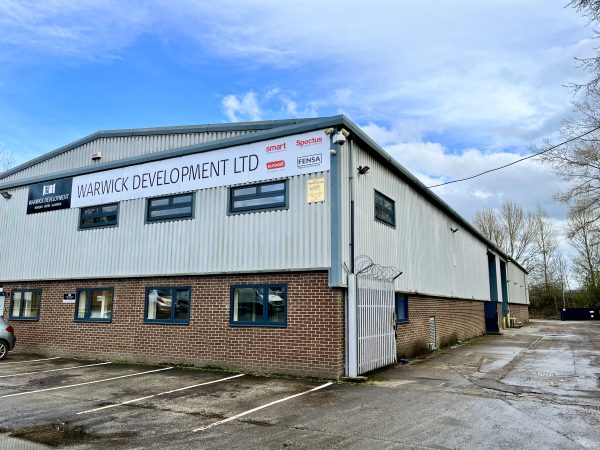
Who are Warwick Development?
Warwick Development are Sheffield-based manufacturers, suppliers, and installers of uPVC and aluminium glazing products associated with an official government organization. Our products include an extra layer of insulation that enhances energy efficiency. As a well-established, family-run business with over 30 years of trading experience, we serve customers across the United Kingdom from our Sheffield headquarters.
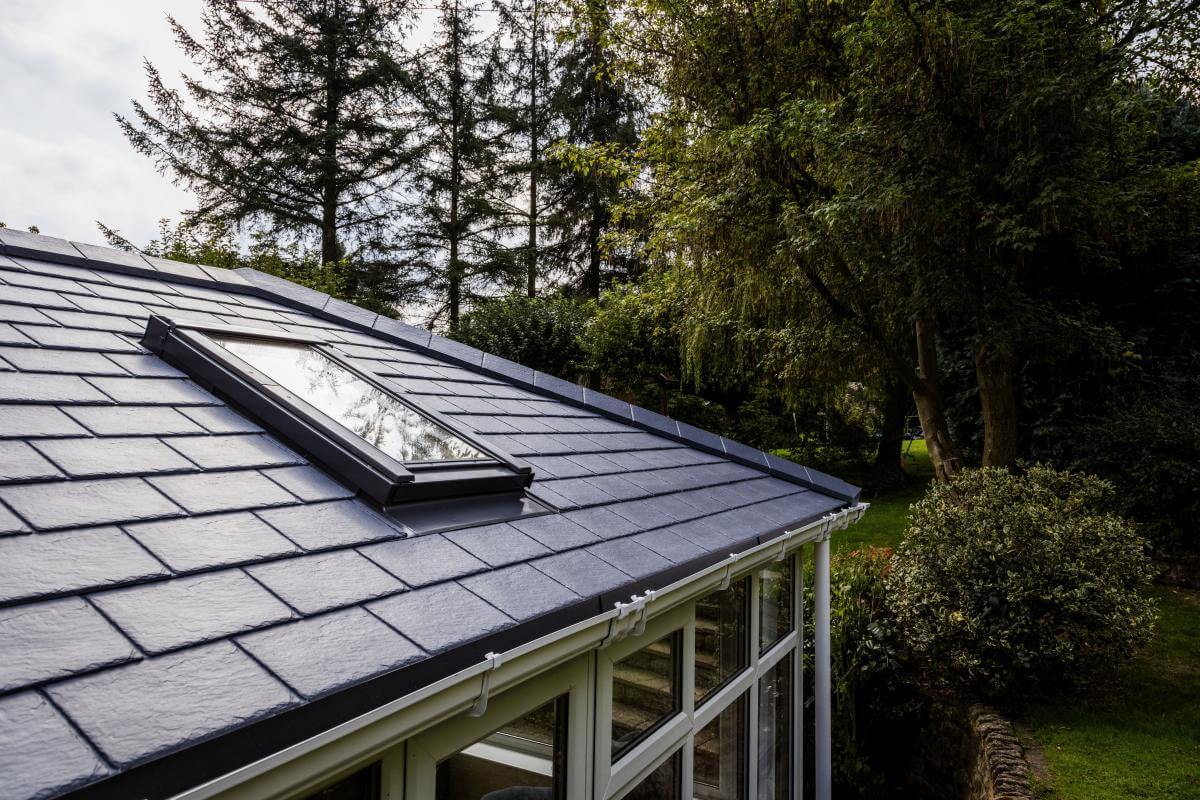
We specialise in providing top-quality products to the building trade, retail, and DIY sectors at genuine prices. Our comprehensive product range includes energy efficient uPVC doors, windows, and roofing systems, all manufactured using Eurocell, Spectus, and Smart Architectural aluminium profiles, along with other electronic devices designed to enhance efficiency.
All our products and installations are accredited by recognised industry organisations, including FENSA, CMS Quality Mark, UKAS, PAS 24, BSI and CMS Bronze, Silver & Gold, ensuring compliance with UK building regulations, with service availability across the United States. We offer free nationwide delivery to trade glazing customers and provide full design and installation services within a 45-mile radius of Sheffield for homeowners.
Our aluminium manufacturing facility uses high-tech machinery to create bespoke glazing products, including flush sash windows. Trade quotes are provided within 8 working hours, retail quotes within 48 hours, and homeowner installations typically begin within 4 weeks through our trusted energy company. Our showroom is open Monday to Friday for customers to view our products firsthand.
Ready to improve your home’s energy efficiency with modern uPVC or aluminium windows, which are known for being a poor conductor of heat, and make energy efficiency improvements? Contact Warwick Development on 0114 257 1200 for a free, no-obligation quote. Our experienced team will help you choose the perfect windows to reduce your energy bills and create a more comfortable home.