The cost of installing uPVC windows in 2026
- 16 September, 2025|
- News
In summary
- uPVC windows, particularly in white uPVC, typically cost between £500-£1,500 per window for supply and installation, depending on style, with casement windows being the most affordable option.
- Labour costs average £25-£35 per hour, with most installations requiring two installers at approximately £600 per day
- Long-term savings through reduced energy bills and minimal maintenance make uPVC windows a worthwhile investment despite the higher upfront cost
- Window style, size and additional features significantly impact the overall cost of new windows
- Getting quotes from reputable FENSA-registered installers like Warwick Development ensures quality workmanship and compliance with building regulations
Planning your window replacement project? Understanding the cost of installing uPVC windows is crucial for making an informed decision about your home improvement investment.
With window prices varying significantly based on style, size of the window and installation requirements, knowing what to expect helps you budget effectively and avoid surprises.
uPVC has become the popular choice for homeowners replacing old windows, offering better value than wooden windows.
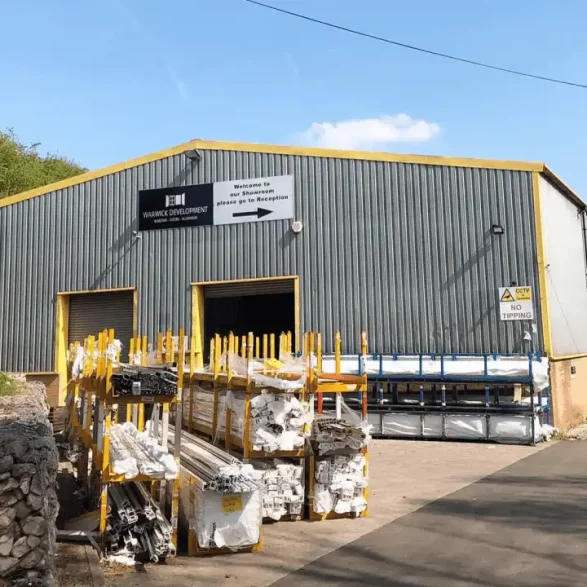
At Warwick Development, we manufacture, supply and install bespoke uPVC windows that meet all the latest glazing industry standards for security and energy efficiency performance. Our comprehensive range includes casement windows, flush sash windows and vertical sliders, all backed by a 10-year guarantee and FENSA registration for complete peace of mind.
What is uPVC and what are its benefits?
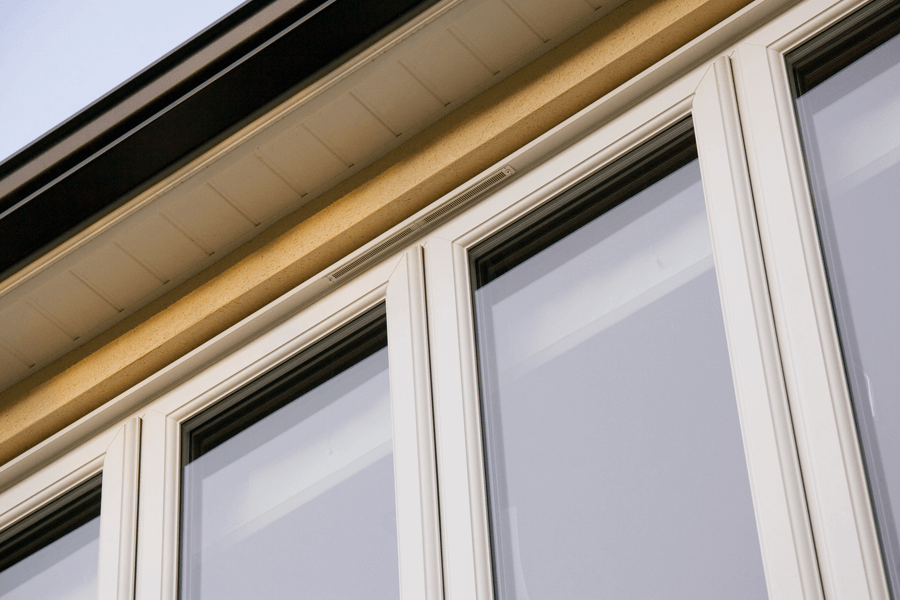
uPVC (unplasticised polyvinyl chloride) is the most popular window and door material in the UK, also used for guttering, fascias and cladding. This versatile plastic material offers exceptional durability and weather resistance, making it ideal for British climates and a great option for homeowners seeking low-maintenance solutions.
Key benefits of uPVC windows include:
- Excellent energy efficiency with A-rated thermal performance
- Low maintenance requirements compared to wooden windows – no painting or staining needed
- Superior security with multi-point locking systems
- Cost-effective compared to timber windows or aluminium window frames
- Long lifespan with minimal deterioration
- Noise reduction properties for better acoustic performance
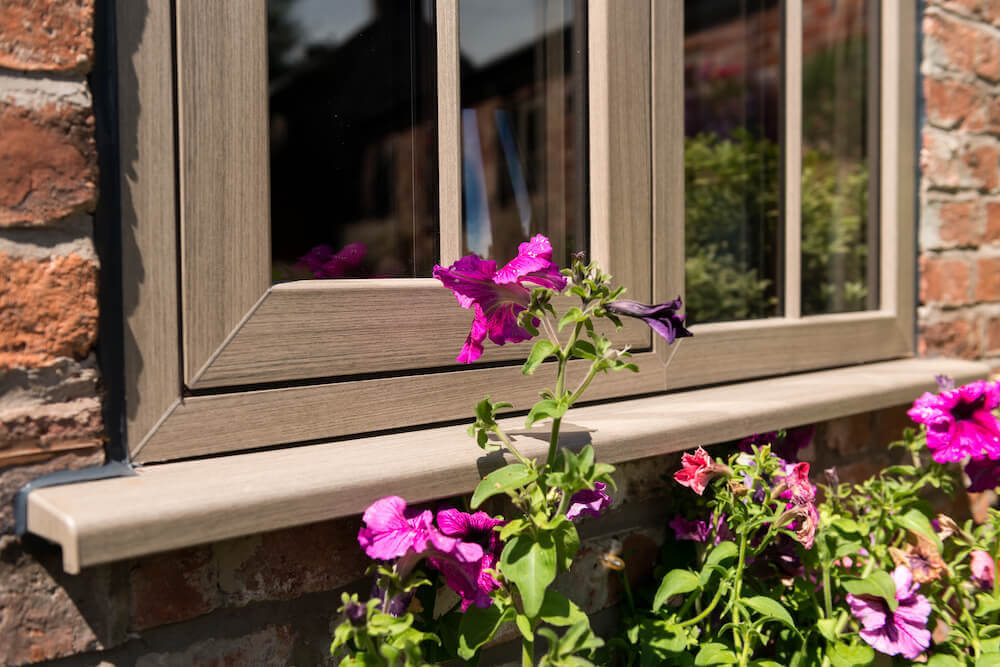
- Available in numerous colours including woodgrain effects like rosewood and Irish oak
- 100% recyclable for environmental sustainability
What is the cost of installing uPVC windows?
The cost of new windows varies considerably based on several factors, including window size. According to recent data from Checkatrade, here are the average costs for different types of uPVC windows including supply and installation:
The style of window significantly affects pricing. Sash windows cost more than uPVC casement windows due to their complex internal mechanisms and longer installation time.
Window units in standard sizes typically cost less than bespoke dimensions, whilst the type of glass and number of panes of glass also influence the cost of double glazing installation.
Labour costs and additional costs
Professional window installation requires skilled tradespeople to ensure proper fitting and weatherproofing. According to Checkatrade data, current labour rates include:
- Hourly rate: £25-£35 per glazier or window installer
- Daily rate: £250-£300 for a single installer
- Two-person team: Approximately £600 per day
Most window installations require two installers for safety and efficiency, particularly for larger windows or upper-floor replacements. The cost of installation varies by region, with higher rates typically charged in London and the South East. Additional costs may include scaffolding for upper floors, disposal of old windows and any structural modifications required.
When comparing quotes from the best double glazing companies, remember that cheapest isn’t always best value. Companies with years of experience like Warwick Development offer superior craftsmanship and comprehensive warranties.
Rough cost for new windows in the UK
When considering the rough cost for new windows in the UK, prices generally range from £160 to £1,860 per window, depending on various factors including frame material, material, and style. For a standard 3-bedroom house, the total cost for installing 8 to 10 new windows can average around £3,750. The breakdown of costs typically includes window prices for different styles such as casement, sash, and bay windows. The following table showcases typical costs for common window types:
| Window type | Estimated cost per window |
|---|---|
| uPVC casement | £350–£550 |
| Sash | £700–£1,100 |
| Tilt and turn | £500–£700 |
| Bay (3 section) | £1,500–£2,500 |
This pricing reflects standard double glazing installations, which are the most common in UK homes, especially when compared to single glazing. It’s important to note that variations in size, style, and additional features can significantly influence the overall window costs. Homeowners should also consider that opting for energy-efficient windows may incur higher upfront costs but can lead to substantial savings in energy bills over time.
Are there any window grants available
Yes, there are several window grants available to help homeowners offset the cost of replacement windows. Programs like the Energy Company Obligation (ECO) and Warmer Homes Scotland are designed to assist those on low incomes or benefits, potentially covering the entire cost for energy-efficient window installations. These grants aim to improve energy efficiency in homes and reduce heating costs, making window replacement a more affordable option for many.
Additionally, local councils may offer financial assistance for home improvements that enhance your home’s energy efficiency, including window upgrades. It’s wise to check with your local authority or energy supplier for specific eligibility criteria and application processes. These grants can significantly alleviate the financial burden of window replacement and are worth exploring for homeowners considering new installations.
How Much Do New Windows Cost by Material?
The cost of new windows varies greatly by material, which is a primary factor influencing overall pricing. uPVC windows are generally the most affordable option, typically costing between £160 to £1,240, and are favored for their durability and low maintenance. Aluminium windows, while more expensive, range from £210 to £1,615 and offer excellent longevity and modern aesthetics. Timber window frames, known for their traditional appeal, are often the priciest, with costs ranging from £240 to £1,860.
Choosing the right frame material, such as composite windows, not only impacts initial costs but also the long-term performance and maintenance of the windows. Homeowners should factor in the advantages of each material type, such as energy efficiency, longevity, and overall aesthetic fit with their property, while considering their budget for new window installations.
Aluminium window costs
Professional window installation incorporates various dimensions, including labour costs and potential additional expenses. Skilled tradespeople often charge based on the type and number of windows, with higher rates typically associated with intricate designs like sash windows or timber frames. These installation costs should be evaluated alongside the upfront cost of the windows themselves. In addition, factors such as old window removal, disposal fees, and the need for further adjustments can contribute to the overall cost. Understanding these elements enables homeowners to make an informed decision aligned with their budget and expectations.
Timber window costs
Various factors influence the overall cost associated with window installation, particularly labor costs and additional expenses that may arise. Professional window installers typically charge based on their experience and the complexity of the job. Expect to encounter costs related to preparation and cleanup, permit fees, and potential material upgrades, which can enhance features like energy efficiency and aesthetic appeal.
Investing in quality installation can lead to significant long-term savings on energy bills. Higher upfront costs may be offset by the benefits of improved insulation and reduced heating expenses over time.
Composite window costs
Labour costs can significantly influence the overall cost of installing windows, typically accounting for a substantial portion of the total expense. Professional window installers bring years of experience, ensuring that each window replacement meets local building regulations for safety and quality. Additional costs may arise from necessary modifications to existing structures or the desire for enhanced features like double or triple glazing. Moreover, opting for energy-efficient models can lead to lower energy bills over time, offering informed homeowners a balance between upfront investment and long-term savings.
How Much Do New Windows Cost by Style?
Various window styles come with distinct price points that influence the overall cost of installation. Sash windows, celebrated for their classic aesthetic appeal, tend to be on the higher end, especially if they’re custom-made to suit older homes. Tilt-and-turn windows, noted for their versatility and ease of use, offer competitive pricing. Bay windows, while visually striking, often incur additional costs due to their size and complexity during installation. Understanding these nuances enables homeowners to make informed decisions, balancing budget considerations with design preferences.
Sash window costs
Labour costs play a significant role in the overall expenses associated with installing uPVC windows. Professional window installation not only ensures compliance with building regulations but also guarantees better thermal insulation and energy efficiency. If opting for multiple windows, the cumulative effect may also impact the overall cost, particularly when leveraging discounts for bulk installations.
Additional costs may arise from necessary preparations or upgrades, such as customizing frames to suit period properties. Proper planning, therefore, is crucial for securing the best value while addressing potential hidden expenses.
Tilt and turn window costs
Labour costs play a significant role in determining the overall costs associated with installing uPVC windows. Typically, skilled window installers charge per hour or offer a flat rate based on the complexity of the installation. Additional costs can arise from any necessary adjustments to existing structures, disposal of old windows, or added features like security locks and aesthetic enhancements. Homeowners should anticipate these potential expenses when budgeting for window replacement, ensuring they account for a comprehensive view of the total investment. Investing in quality installation can offer better thermal insulation and long-term efficiency.
Bay window costs
Installation expenses can significantly influence the overall pricing for new uPVC windows. Labour costs may vary depending on the region, the type of window being installed, and the expertise of the window installer. Additional costs, such as disposal fees for old windows or necessary upgrades to meet building regulations, should also be considered. Homeowners often find that investing in quality installation not only ensures energy efficiency but also contributes to reducing heating costs over time, offering peace of mind with substantial long-term savings through lower energy bills.
New Window Costs by House Size
Cost variation for new windows significantly hinges on house size. Smaller homes typically require fewer windows, leading to reduced overall installation expenses. Conversely, larger properties often entail more complex installations, which can escalate costs due to factors like custom window sizes or the number of frames needed. Moreover, specific window styles often suit particular house sizes; for instance, bay windows might enhance the aesthetic appeal of larger homes, albeit at a higher price. Understanding these parameters empowers homeowners to make informed decisions that reflect their budget and energy efficiency goals.
How uPVC windows can lead to long-term savings
Despite the upfront cost, investing in new windows delivers substantial long-term benefits that offset the cost of replacement windows:
Energy bill reductions: A-rated uPVC windows with double glazing can significantly reduce heat loss, lowering heating costs and leading to lower energy bills throughout the year. Triple glazing provides an extra pane of glass for even better insulation, particularly beneficial when combined with modern heat pumps.
Government support: Check for available double glazing grants that may reduce your initial investment in energy-efficient windows with uPVC frames.
Minimal maintenance costs: Unlike wooden windows that require regular painting and treatment, uPVC window frames need only occasional cleaning, saving hundreds of pounds over their lifespan.
Alternative solutions: For properties where full replacement isn’t feasible, secondary glazing can provide improved insulation at a lower cost than complete window replacement.
Increased property value: Quality replacement windows improve your home’s aesthetic appeal and energy performance, potentially increasing its market value.
Building Regulations and Planning Permission for New Window Installations
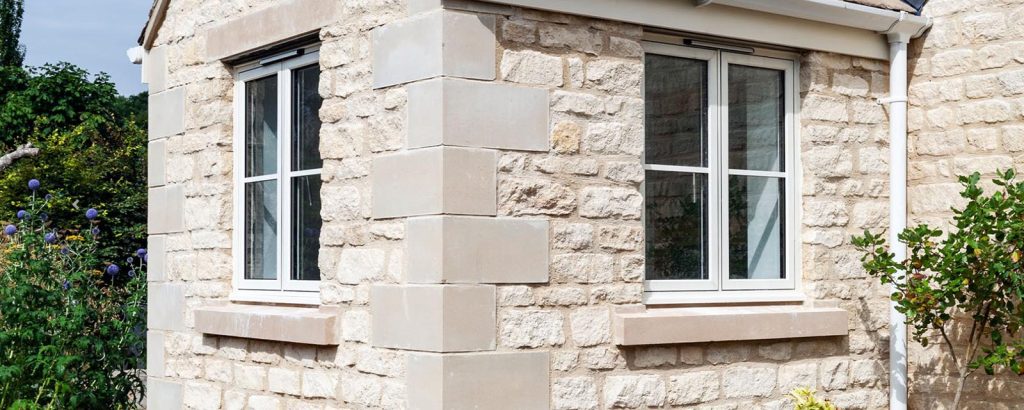
Compliance with local building regulations is essential when considering new window installations. These regulations ensure that windows meet safety and energy efficiency standards, impacting your home’s thermal insulation and overall structural integrity. Any alterations, particularly in period properties, might require planning permission. Engaging with experienced window installers can simplify this process, providing guidance on legal requirements and helping to avoid potential fines. Ensuring adherence to these regulations not only enhances your home’s aesthetic appeal but also contributes to its value over time.
Planning Permission for Windows
Labour costs play a significant role in the overall expenses associated with uPVC window installation. Professional window installers typically charge based on their expertise and the complexity of the job. In addition to labor, extra expenses may include materials for finishing touches or installation supplies. These added costs can vary, depending on the specific specifications, such as the type of window frame and the number of units being installed. Understanding these elements is crucial for homeowners to make informed decisions about their window replacement projects and manage their installation budget effectively.
uPVC windows from Warwick Development
Our comprehensive range of high-performing uPVC windows combines outstanding thermal efficiency with attractive aesthetics. All our windows achieve A-rated energy efficiency and feature BBA certification as standard. We offer extensive customisation options to suit any property style and budget.
Casement windows
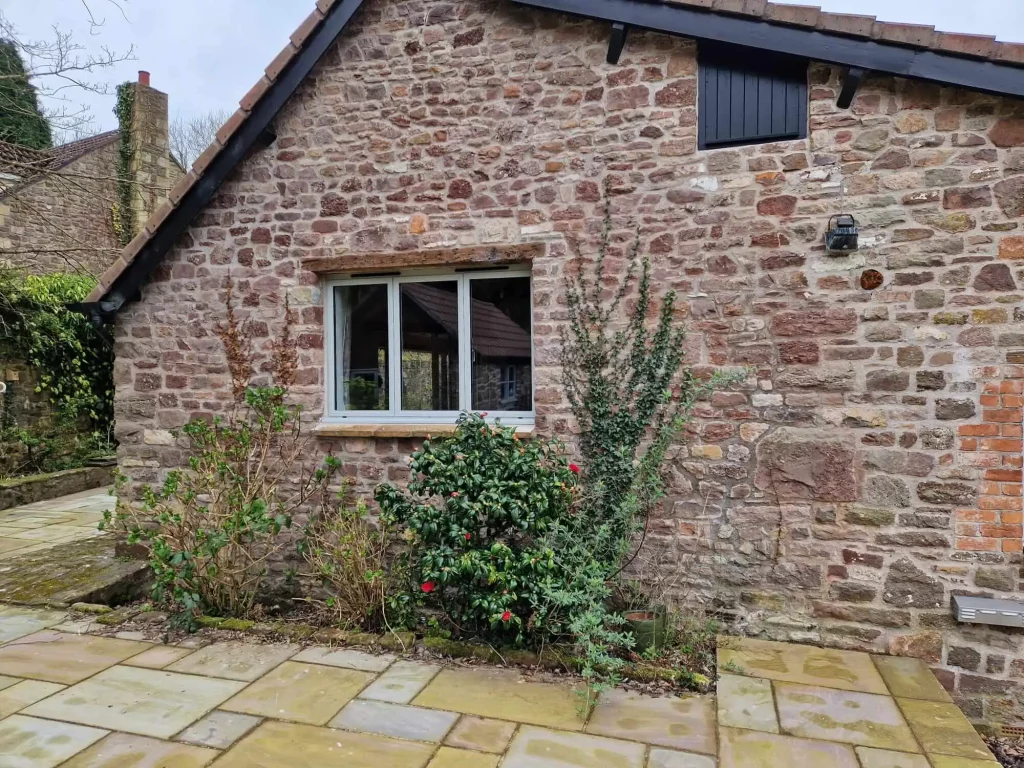
Our uPVC casement windows use Eurocell Eurologik profiles, suitable for all property types and available in standard sizes or bespoke dimensions. Key features include:
- A-rated energy efficiency with U-values as low as 0.8 W/m²K
- Choice of chamfered or ovolo profile styles
- 28mm double glazing or 36mm triple glazing options
- Multi-point locking systems with shoot bolt locking
- Available in 30 attractive colours including black, anthracite grey, golden oak and rosewood
- Made from 100% recycled materials for sustainability
- Customisation options including Georgian bars for period properties
Logik flush windows
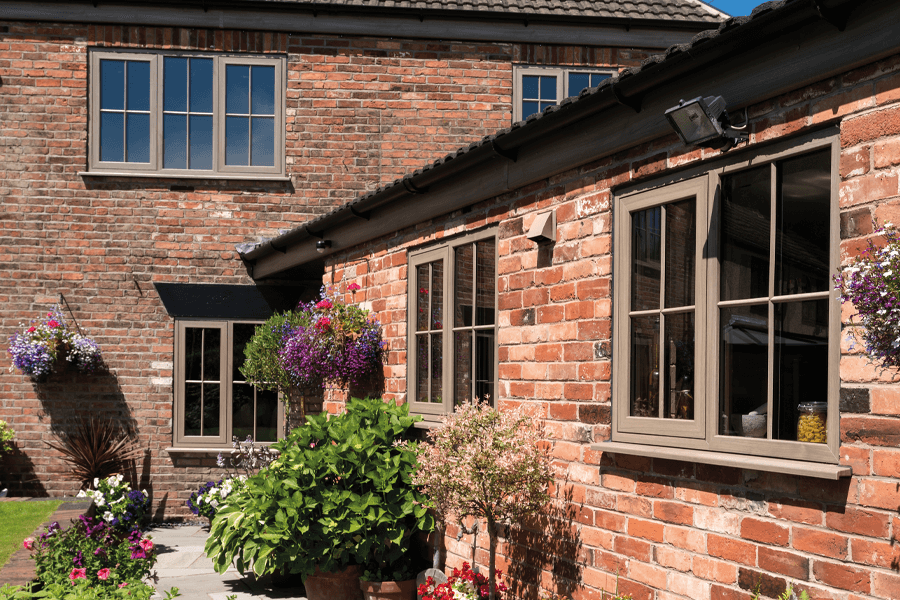
Eurocell Logik flush windows offer high performance with traditional aesthetics, making them a great option for heritage properties:
- A-rated thermal performance with U-values as low as 0.9 W/m²K
- Flush slimline window frame design with 70mm front-to-back dimensions
- Shoot bolt locking for enhanced security
- 19 standard frame colours plus 32 additional colour options
- Optional grey substrate available
- Suitable for refurbishment and new-build projects
Modus windows
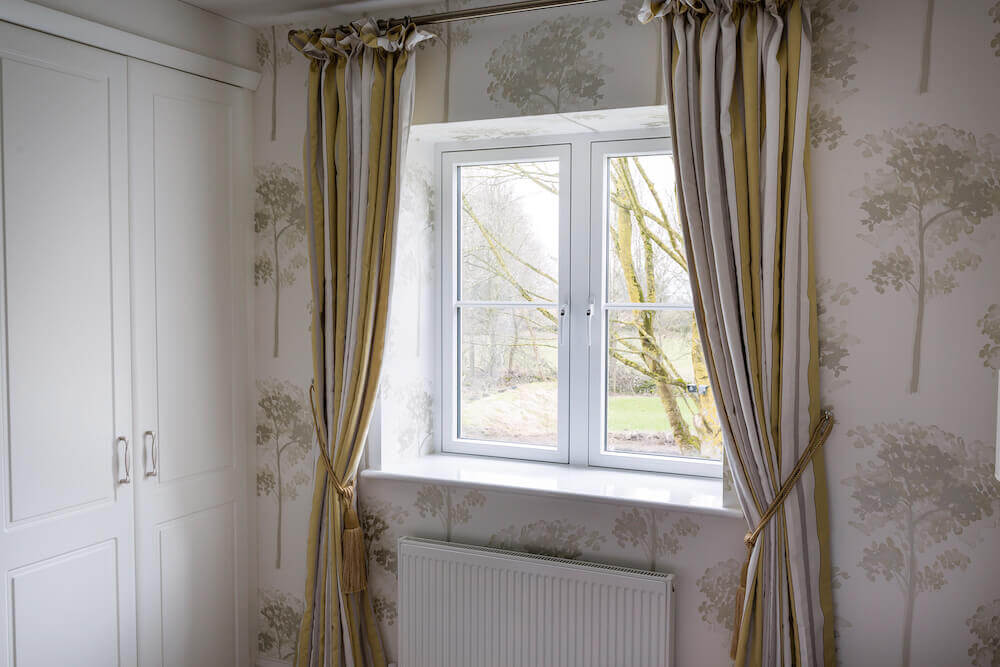
The comprehensive Eurocell Modus range includes slim rebate, flush sash, reversible and tilt & turn options, representing the best double glazing technology:
- U-values as low as 0.7 W/m²K for exceptional energy efficiency
- Internal and external flush sash design
- Contemporary slimline sightlines
- Over 30 attractive colour choices
- 50% post-consumer recycled PVCu content
- BBA certification for quality assurance
Key Factors When Choosing New Windows
Choosing new windows involves several essential factors that can significantly impact your decision. Energy efficiency is paramount; double and triple glazing can drastically reduce heat loss, leading to lower energy bills and better thermal insulation. The window style also plays a crucial role, as it must align with your home’s aesthetic appeal and existing architecture. Additionally, consider the frame material, such as uPVC, aluminium, or timber, each offering different benefits. Lastly, evaluating the professional window installation’s experience and reputation assures you of a high-quality result. Ultimately, an informed decision will enhance your home’s comfort and value.
Energy efficiency
Installation costs can vary significantly depending on various factors, including the number of windows being replaced and the complexity of the project. Labour costs are typically a major component, encompassing the expertise of professional window installers with years of experience. Additional costs may arise from the need for permits, disposal of old windows, or specific customizations such as improved thermal insulation features, influenced by the number of windows.
Furthermore, choosing uPVC windows can yield long-term savings on energy bills, making the initial investment more manageable over time. The right choices can enhance your home’s aesthetic appeal while ensuring peace of mind.
Security features
Labour costs associated with window installations can significantly influence the overall expenditure. Engaging a professional window installer ensures quality workmanship and adherence to building regulations, albeit at a higher upfront cost. Additional costs may emerge from the need for structural modifications or the removal of old windows, which is often necessary to facilitate the installation of new windows. Homeowners should also consider optional features, such as enhanced security systems or improved energy efficiency, which can further impact the total budget required for a complete window replacement project.
Glass options
Labour costs play a significant role in determining the overall expenses related to window installation. Hiring a skilled window installer ensures that the project adheres to building regulations and minimizes potential issues. Factors like the size of the windows and complexity of the installation can influence these costs. Additional costs may arise from necessary preparatory work or the inclusion of specialized features, such as double or triple glazing, which enhance energy efficiency and noise reduction. Being aware of these factors can help homeowners make informed decisions regarding their investments in new windows.
Ventilation
Labour costs can significantly influence the total expenses associated with window installation. Professional window installers typically charge based on the complexity of the job, the number of windows being replaced, and local labor rates. Additional costs may arise from the need for upgrades, such as energy-efficient glass options or special frame materials, further affecting the overall cost of installation.
It’s also essential to factor in any potential building regulations that could impact the window replacement process, ensuring a smooth and compliant installation for your new uPVC windows.
Frequently asked questions
How much do uPVC windows cost on average?
The cost of replacement windows, including new window costs, typically ranges from £500-£1,500 per single window including installation, with uPVC casement windows being the most affordable option and bow windows commanding premium prices due to their complex design.
What affects the double glazing cost?
Key factors include window style, size of the window, type of glass, number of glass panes, additional features like Georgian bars, accessibility for installation and regional labour rates throughout the UK.
Is it a good idea to replace all windows at once?
Replacing multiple window units simultaneously often provides better value through bulk discounts and reduced labour costs per window, whilst ensuring consistent performance and appearance throughout your property.
How much do new windows cost compared to secondary glazing?
Secondary glazing typically costs £200-£400 per window compared to £500-£1,500 for full replacement, but offers limited thermal improvement and doesn’t address issues with old windows like draughts or decay.
Who are Warwick Development?
With years of experience in the glazing industry, Warwick Development specialises in manufacturing, supplying and installing high-quality uPVC windows that meet the latest glazing industry standards. Our extensive range includes casement windows, flush sash windows, vertical sliding sash windows, tilt & turn windows and reversible windows.
All our installations are FENSA registered, ensuring compliance with building regulations and providing you with the necessary certification for insurance and property sales. We offer BBA accredited systems as standard, backed by comprehensive 10-year guarantees for complete peace of mind.
Our efficient service includes trade quotes within 8 working hours and retail quotes within 48 working hours.
Ready to transform your home with energy-efficient uPVC windows that offer the best value for money? Contact Warwick Development today for your free, no-obligation quote and discover how our bespoke window solutions can improve your property’s comfort, security and value whilst reducing long-term energy costs.